Tribe Gate (Oval Reef) — Boat Diving at Havelock Island (Swaraj Dweep)
Tribe Gate holds three records no other Havelock dive site can match. It's the only site in Havelock where all five Andaman clownfish species are present simultaneously. It has the highest concentration of giant Tridacna clams of any site in the Andaman archipelago. And it contains the Pavona Coral Ruins — a section of coral bleached in the 2010 event that has since become one of the most macro-rich environments on any Havelock reef.
Also known as Oval Reef, Tribe Gate sits 3km from Beach-03, Govind Nagar (Bonga Ghat), in the channel between Havelock and John Lawrence Island — a 5-minute speedboat ride away. It's also the closest boat dive site on the island accessible year-round, including through the monsoon season, when most other Havelock sites close.



Overview of Tribe Gate (Quick Facts)
About Tribe Gate Dive Site
Tribe Gate is one of Havelock Island's most beautiful and rewarding dive sites, offering an unforgettable underwater experience for both beginner and certified scuba divers. A short boat ride from the island, it's known for crystal-clear water, healthy coral formations, and abundant marine life. Calm conditions and excellent visibility, often ranging between 10 and 15 metres depending on the season, make it an ideal location to explore the biodiversity of the Andaman Sea.
The site's varied underwater terrain includes coral bommies, sandy patches, and reef slopes that provide habitats for countless marine species. Depths typically range from 3.5 to 14 metres, making it suitable for discover scuba dives, Open Water divers, and underwater photography enthusiasts alike.
Topography
Tribe Gate is a submerged oval-shaped seamount — not a single reef, but several satellite reef patches surrounding the main oval formation, each with distinct micro-habitats that help explain the extraordinary species diversity here. The shallowest point sits at 3.5 metres; the edges drop to 14 metres on a sandy bottom. Low to mild current, clear water, and a gradual slope make it suitable for every diver level, from non-certified beginners to advanced divers and certification course students.
Best Time to Dive
Tribe Gate's sheltered position and minimal current make it one of the very few Havelock dive sites accessible during the monsoon season (June to September), when most other sites close due to rough seas — diving is possible even on moderately windy monsoon days. Outside the monsoon, October to May is the main diving season, with the best visibility (10–15m) and calmest conditions. Water temperature stays 27–30°C year-round.
Marine Life at Tribe Gate
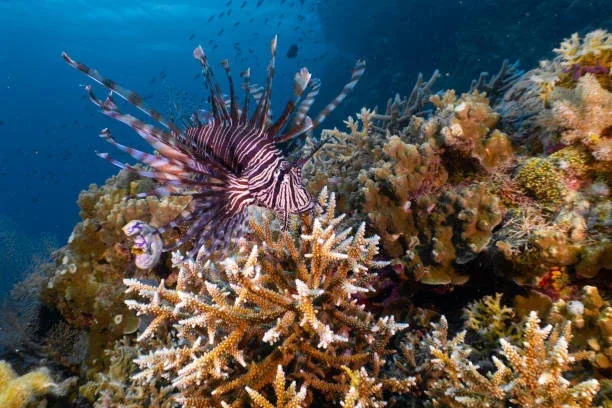
In the shallower sections of the reef (3.5–8m), humphead parrotfish — large, hump-headed fish with vivid green scaling and beaks powerful enough to break sections of hard coral — are a regular, close-range encounter, one of Tribe Gate's most surprising wildlife moments. Schools of two-spot snapper move in tight formations above the reef, while bannerfish, butterflyfish, trevally, giant groupers, sweetlips, and rabbitfish populate the mid-water. Juvenile barracuda appear in school formations in this zone too.
In the deeper sections (8–14m), divers find multiple colonies of sea anemones, giant clams, staghorn corals, and the Pavona Coral Ruins — the most vivid, slower, close-observation section of the reef. Moray eels extend from structural crevices, crocodilefish rest in near-perfect camouflage on sandy sections, and pufferfish and triggerfish occupy the coral edges. Turtles occasionally pass through the outer sections, and squid are sometimes spotted in open water above the reef. In the sandy patches between reef sections, sea cucumbers and blue-spotted stingrays are a frequent sight.
Cost & What's Included
Included:
- Full scuba equipment (tank, regulator, BCD, wetsuit, fins, mask, booties, weight belt, SPG)
- Certified SSI dive guide throughout (1:1 for non-certified divers/non-swimmers)
Bring yourself:
- Certification card if certified (digital is fine)
- Swimsuit to wear under the wetsuit
- Small towel
- Reef-safe sunscreen
- Optional extras: underwater camera, surface marker buoy, rash guard, dive computer, dive knife
Getting There
Tribe Gate is accessible via a 5-minute speedboat ride from Beach-03, Govind Nagar (Bonga Ghat). We offer complimentary pickup and drop-off within a 5km radius of our dive shop.
Emergency & Safety Information
DAN Global Emergency: +1-919-684-9111
FAQs
Giant clams (Tridacna species) are consistently one of the most surprising encounters for divers who haven't seen them before. They are the world's largest living bivalves, growing up to a metre across, living for decades, and displaying mantle tissue in vivid, iridescent shades of blue, green, purple, and gold. Tribe Gate has the highest concentration of giant clams of any dive site in the Andaman archipelago.
Tribe Gate is one of the very few Havelock dive sites that remains accessible during the monsoon season (June to September), when most Andaman dive sites close due to rough sea conditions. Its sheltered position between Havelock and John Lawrence Island, combined with minimal current, protects it from the swell that makes other sites undiveable. This doesn't mean monsoon diving is guaranteed on every day — on particularly rough days, or during the peak of the monsoon (July to August), even Tribe Gate can be inaccessible.
Yes — Tribe Gate is one of the most recommended beginner dive sites on Havelock Island. The shallow entry at 3.5 metres, the low to mild current, year-round accessibility, and extraordinary marine life make it an ideal first dive location. The giant clams, all five clownfish species, and the humphead parrotfish in the shallows are all encounters available without going deeper than 6-8 metres. Non-certified divers and non-swimmers are paired with a personal 1:1 instructor throughout, and no swimming ability is required.
Tribe Gate and Nemo Reef are both beginner-friendly Havelock dive sites, but with meaningfully different characters. Nemo Reef is a shore dive — you walk in from the beach, no boat required. Tribe Gate is a boat dive, a 5-minute speedboat ride, but offers three encounters unavailable at Nemo Reef: all five clownfish species, the highest giant clam concentration in the Andamans, and the Pavona Coral Ruins macro section. The oval reef structure also gives a distinctly different topographic experience from Nemo Reef's fringing character.
Certified divers (Open Water or above) pay INR 2,500 + 18% GST per person. Non-certified divers and non-swimmers pay INR 4,500 + 18% GST per person, which includes a personal 1:1 instructor throughout the dive.
Your dive includes a scuba tank, weight belt, regulator, submersible pressure gauge, buoyancy compensator, wetsuit, mask, fins, and booties. Bring your own swimwear to wear under the wetsuit, a small towel, and reef-safe sunscreen. An underwater camera, surface marker buoy, rash guard, dive computer, and dive knife are optional extras worth carrying if you have them.
Ready to Dive Tribe Gate?
Five clownfish species, the Andamans' densest giant clam population, and the Pavona Coral Ruins — all on one oval reef, a 5-minute boat ride from shore.