Light House — Night Diving & Day Reef at Havelock Island (Swaraj Dweep)
Light House is one of the few dive sites in the Andaman and Nicobar Islands where night scuba diving is officially permitted, and an equally rewarding reef for all diver levels by day. Located 3km west of the Havelock main ferry station, off the channel between Havelock and Peel Island, the site is an oval-shaped coral reef surrounding a lighthouse at its shoreline — giving divers a natural circuit and an iconic focal point at every depth, from 3 metres at the shallowest coral sections to a sandy bottom at 23 metres.
The reef is best known among underwater photographers for its shallow natural light conditions, and among macro divers for its nudibranch population.



Overview of Light House (Quick Facts)
About Light House Dive Site
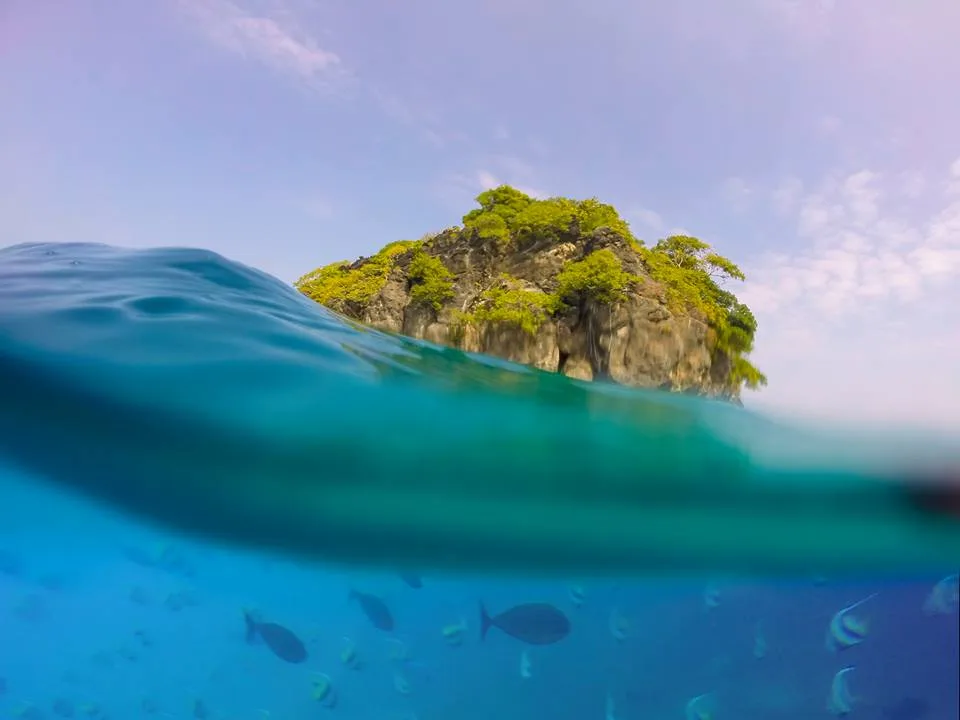
The Light House dive site takes its name from the red navigational channel marker that stands at the centre of the reef, visible from the Havelock ferry jetty on clear days, guiding incoming vessels safely into the harbour. The coral reef grows along both sides of the structure and extends outward in a wide along-shore formation on the western coast of Havelock, approximately 2.5 to 3km from the main ferry station. The entire site is accessed by boat, with a mooring buoy positioned above the reef top to protect the coral from anchor damage.
This large dive site sits near a small white lighthouse, at the entrance of the channel that leads to Havelock's jetty. The reef sits on both sides of the structure, giving divers the option to explore the north or south sections from the same mooring — effectively two different dive profiles from a single descent. On clear days, the ferry traffic in the channel above is visible from depth as passing silhouettes.
Topography
Light House is an along-shore sloping reef — it runs parallel to the Havelock coastline and the channel, dropping gradually from its shallowest point near the lighthouse structure to a sandy bottom at 23 metres. The reef is not a single continuous slope but is divided by the lighthouse structure itself, with coral formations extending along both sides of the marker. The slope is gentle throughout, making each depth zone transition smooth and unhurried.
Best Time to Dive
Light House is best diveable from October to April, when underwater and sea surface conditions are calm and clear, with visibility of 10–15 metres, manageable current, and water temperature between 25–30°C. The Light House reef also sits on the Elephant Beach ferry route, so tourist boats pass through the channel above throughout the day — the early 5:30am slot beats the peak ferry traffic and offers the quietest, clearest conditions.
Marine Life at Light House
The coral coverage across the Light House reef is dense and varied — fan coral, staghorn, cauliflower, plate coral, valley coral, barrel sponges, and open brain coral each occupying their preferred depth and light conditions. The shallowest sections (1–8m) contain the best coral and fish life on the site: natural light is brilliant, giant clams respond to passing shadows, and large schools of unicorn fish, fusiliers, and sergeant major fish fill the mid-water above the coral canopy.
In the mid-depths (8–15m), bathtub-sized barrel sponges are the dominant visual feature, their cylindrical forms rising from the slope in clusters, home to shrimps and small fish inside their cavities. Moray eels extend their heads from larger crevices, starfish rest motionless over the coral, and lionfish hover in the shade of coral overhangs. At the sandy base (15–23m), stingrays rest and jacks cruise in loose formations.
Cost & What's Included
Included:
- Full scuba equipment (tank, regulator, BCD, wetsuit, mask, booties, weight belt, SPG)
- Certified SSI dive guide throughout (1:1 for non-certified divers/non-swimmers)
Bring yourself:
- Certification card if certified (digital is fine)
- Swimsuit to wear under the wetsuit
- Small towel
- Reef-safe sunscreen
- Optional extras: underwater camera, surface marker buoy, rash guard, dive computer, and a UV torch (especially useful for night dives)
Getting There
The Light House reef sits on the Elephant Beach ferry route, and boats transferring tourists to Elephant Beach pass through the channel throughout the day. It can be easily accessed by a short boat ride from Govind Nagar beach or the main ferry station. We offer complimentary pickup and drop-off within a 5km radius of our dive shop.
Emergency & Safety Information
DAN Global Emergency: +1-919-684-9111
FAQs
Light House is one of the dive sites in the Andaman and Nicobar Islands where night scuba diving is officially permitted. This comes down to a combination of the site's specific characteristics: a relatively shallow maximum depth, its location within the channel (close to emergency response), the permanent channel marker lighthouse that provides surface orientation throughout the dive, and the site's history of safe diving.
The shallower sections (1-8 metres) contain the site's densest coral coverage, most varied fish species, and most accessible macro life, specifically because the penetrating natural light at this depth supports the largest, healthiest coral formations, which in turn attract the highest density of reef fish.
The reef looks completely different during a night dive at Light House. Moray eels, reclusive in their crevices by day, are actively hunting across the coral surface. Octopuses appear in open water on essentially every night dive, their colour-change camouflage visible in torchlight as they move from one section of reef to another. Lobsters walk openly across the sandy sections, their eyeshine reflecting the torch beam from metres away.
Light House sits directly in the boat channel used by Elephant Beach ferries, the tourist boats that carry visitors from Havelock's jetty to Elephant Beach and back throughout the day. During mid-morning and midday peak hours, multiple ferries per hour pass through the channel above the dive site, creating surface disturbance, boat noise, and occasional visibility reduction from stirred sediment. The early morning 5:30am slot precedes this peak ferry traffic window — at this time, the channel is quiet, the reef is undisturbed, marine life is more active, and visibility is at its best.
Certified divers (Open Water or above) pay INR 3,500 + 18% GST per person. Non-certified divers and non-swimmers pay INR 5,500 + 18% GST per person.
Your dive includes a scuba tank, weight belt, regulator, submersible pressure gauge, buoyancy compensator, wetsuit, mask, and booties. Bring your own swimwear to wear under the wetsuit, a small towel, and reef-safe sunscreen. An underwater camera, surface marker buoy, rash guard, dive computer, and a UV torch (especially useful if you're doing a night dive) are optional extras worth carrying if you have them.
Ready to Dive Light House?
One of the few Andaman sites where night diving is officially permitted — and a rewarding reef by day too, with a full depth range from 3 to 23 metres.